

Protecting Our Shared Future

India’s rapid development brings environmental challenges—from urban waste management to ecosystem preservation. Our environmental programs address sustainability at the community level, educating waste-pickers about recycling, promoting responsible tourism practices, and partnering with organisations that balance economic development with environmental stewardship.


Environmental Focus Areas

Waste Management & Community Education

Partner: Chintan Environmental Research and Action Group

Working closely with our Project Arman initiative, Chintan addresses environmental challenges while empowering marginalised communities:

Waste-Picker Education:

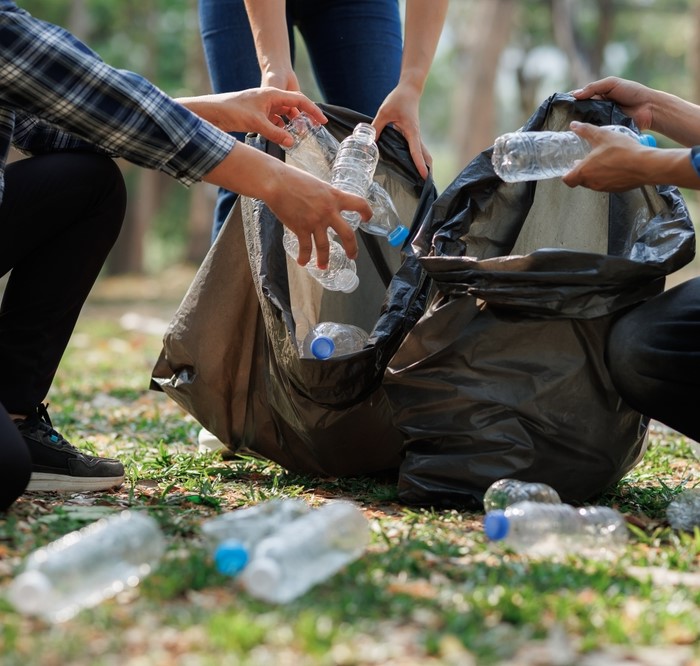
  • Training waste-pickers in safe, efficient recycling practices
  • Health and safety education for families handling waste
  • Connecting waste-pickers to formal recycling networks
  • Advocating for waste-picker rights and recognition

Community Impact:

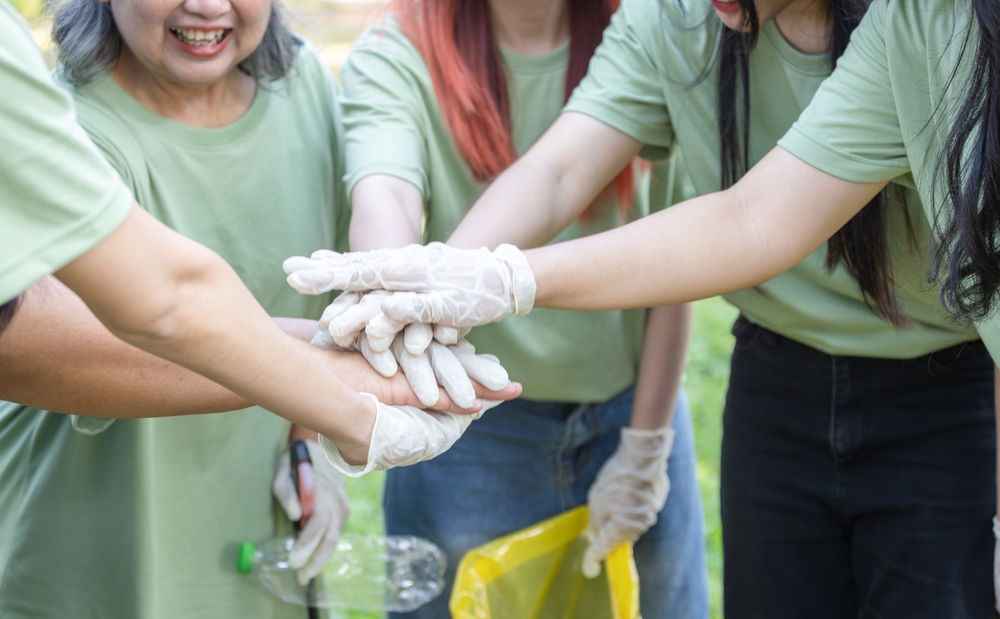
The families we serve through Project Arman are waste-pickers. By supporting their environmental education, we create a dual impact:
  • Children escape the waste-picking cycle through education
  • Parents gain safer, more dignified waste management practices
  • Communities become cleaner and healthier
  • Recycling becomes more efficient and systematic

Support Opportunities:

  • Sponsor social worker training waste-pickers: ₹7,500/month or ₹90,000/year
  • Support Chintan’s waste management programs
  • Facilitate environmental education materials
Waste Management & Community Education

Sustainable Tourism Practices

Sustainable Tourism Practices

Our Commitment:

As India’s leading destination management company, we recognise tourism’s environmental impact and actively work to minimise it:

Responsible Travel Principles:

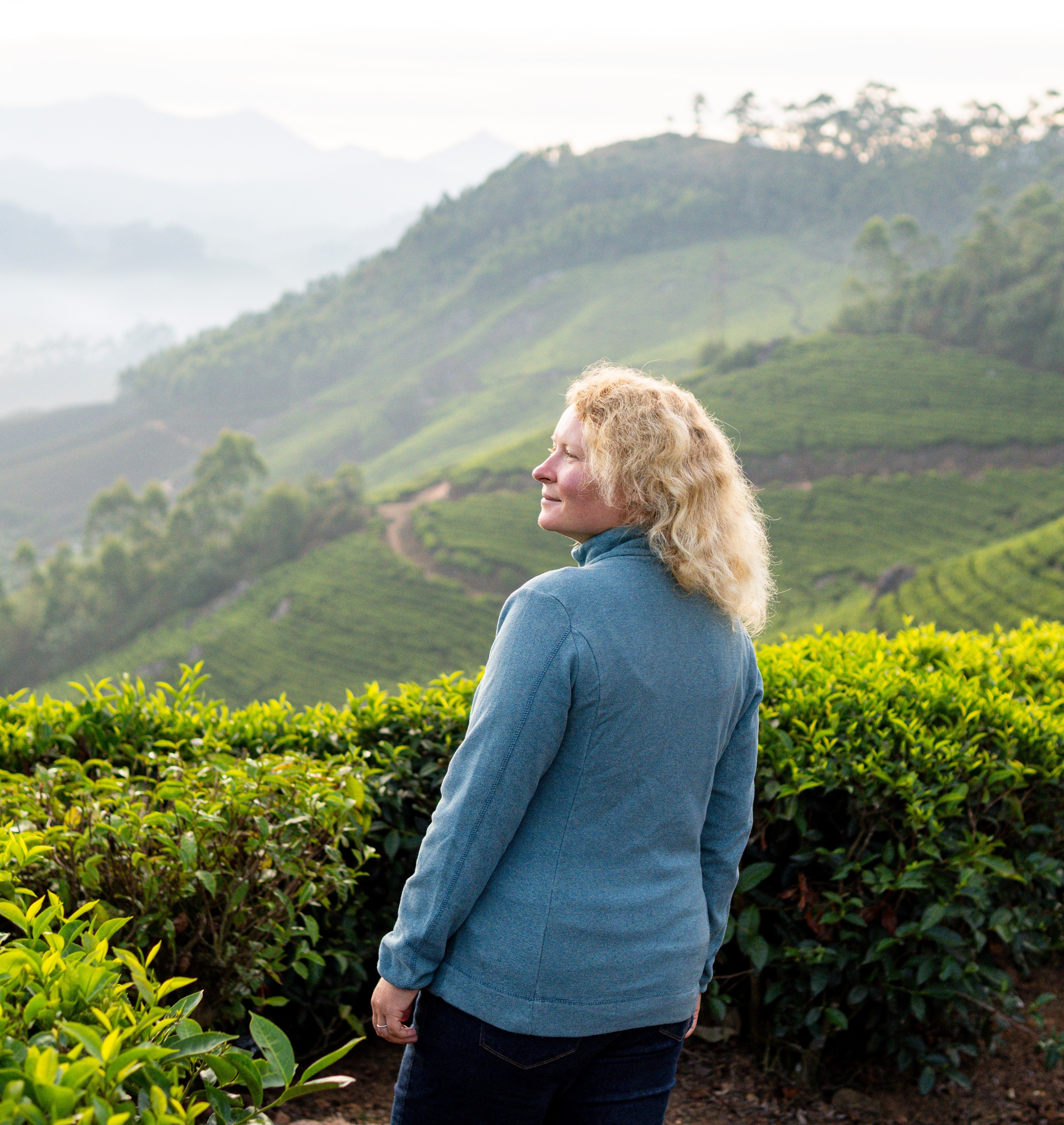
  • Low-impact transportation options
  • Partnerships with eco-conscious accommodations
  • Waste reduction in tour operations
  • Cultural site preservation through responsible visitor management
  • Supporting local economies to reduce resource exploitation

NGO Visit Carbon Offset:

Every client visit to our partner NGOs creates a positive environmental impact:

  • Supporting organisations that practice sustainability
  • Educating travellers about environmental challenges
  • Funding programs that directly benefit environmental conservation
  • Creating economic alternatives to environmentally harmful practices

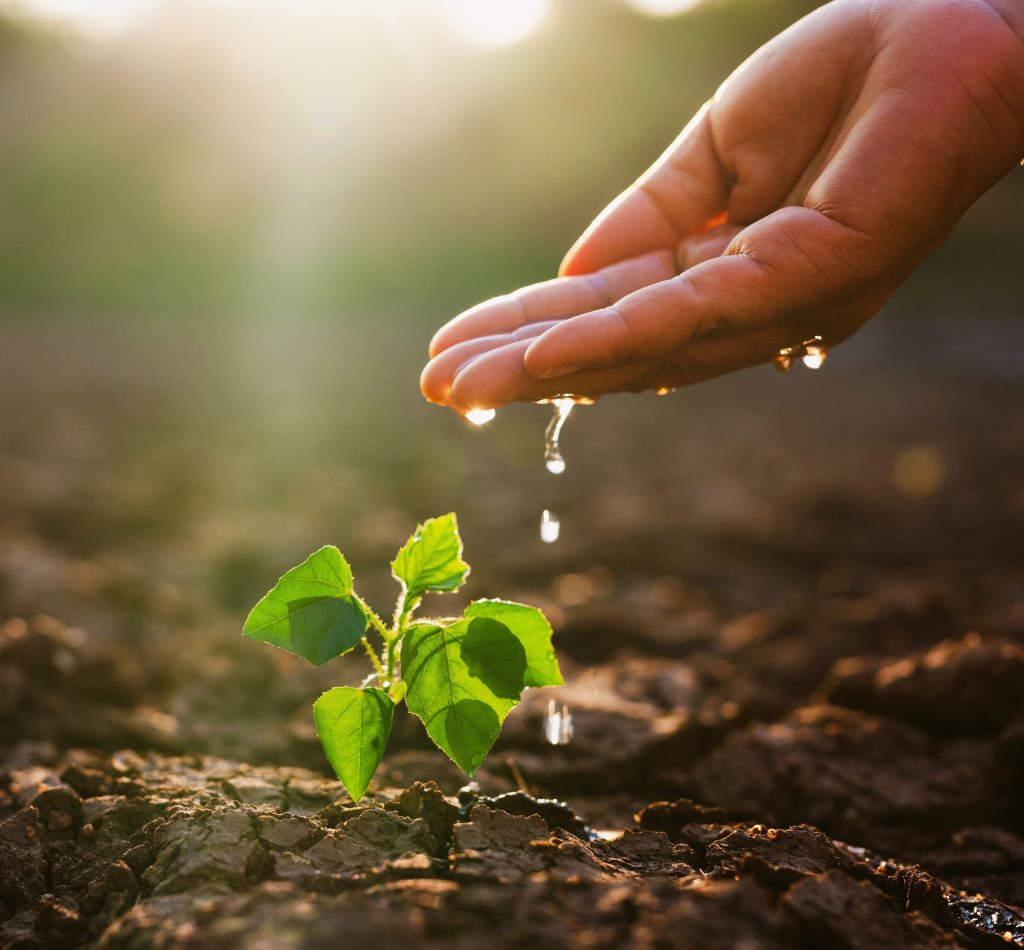
Environmental Conservation Through Community Empowerment

The Connection:

Many environmental challenges stem from poverty and a lack of alternatives. Our integrated approach addresses root causes:
Example: Qalandar Bear Handler Rehabilitation

  • Before: Families captured bear cubs from forests, depleting wild populations
  • After: Alternative livelihoods remove motivation for wildlife poaching
  • Result: Forest ecosystems recover while families thrive

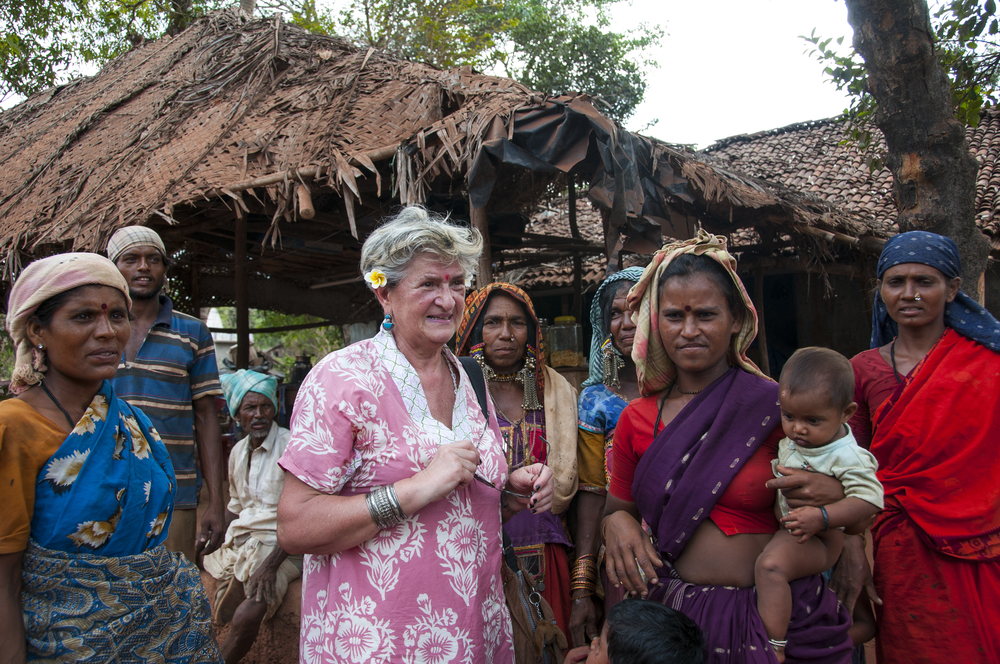
Example: Rural Women’s Vocational Training

  • Before: Resource-intensive agricultural practices by necessity
  • After: Income from crafts reduces pressure on marginal lands
  • Result: Environmental sustainability with economic dignity
Environmental Conservation

Partner Programs with Environmental Components

Deepalaya Rural Healthcare & Women’s Empowerment

Deepalaya – Rural Healthcare & Women’s Empowerment

Environmental benefits of supporting rural development:

  • Mobile medical vans reduce travel-related emissions
  • Vocational training in sustainable crafts
  • Education about resource conservation
  • Community health improvements reduce environmental health hazards

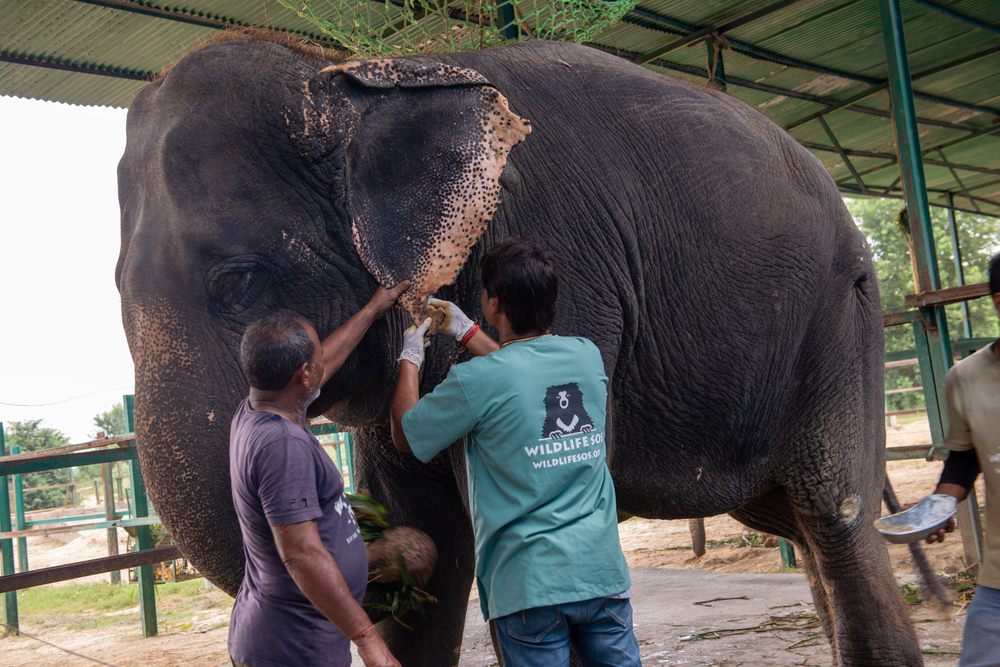
Wildlife SOS – Ecosystem Restoration

Beyond animal rescue:

  • Forest habitat restoration around rescue centres
  • Community education about wildlife conservation
  • Eco-village demonstrating sustainable living
  • Tribal community partnerships preserving traditional ecological knowledge
Wildlife SOS Ecosystem Restoration

Volunteer Opportunities

Environmental Volunteering

Environmental Volunteering:

Short-term (1–7 days):

  • Environmental education in schools
  • Community waste management awareness programs
  • Eco-facility maintenance and improvement
  • Tree plantation initiatives

Medium-term (1–4 weeks):

  • Developing environmental education curricula
  • Waste management system improvements at NGOs
  • Sustainable practice audits of facilities
  • Environmental impact assessments

Long-term (1–3 months+):

  • Comprehensive environmental program development
  • Community-based conservation initiatives
  • Research on sustainable tourism practices
  • Environmental advocacy training for local communities

Sustainability Starts With Us

Every journey leaves a footprint. Let’s make ours one that heals.

Join Our Environmental Mission:
CHOOSE RESPONSIBLE TRAVEL:

Add environmental NGO visits to your itinerary
OFFSET YOUR IMPACT:

Support waste management and
conservation programs

VOLUNTEER YOUR EXPERTISE:

Environmental science, sustainability,
and conservation skills needed

Spread Awareness: Become an advocate for sustainable tourism


Get Involved

To include more CSR experiences during your trip to India, contact us


Welcome on board!

Scroll Top
Scroll Top